Tbilisi
The capital: sulphur baths, balconied old houses, and a food scene worth the trip alone.
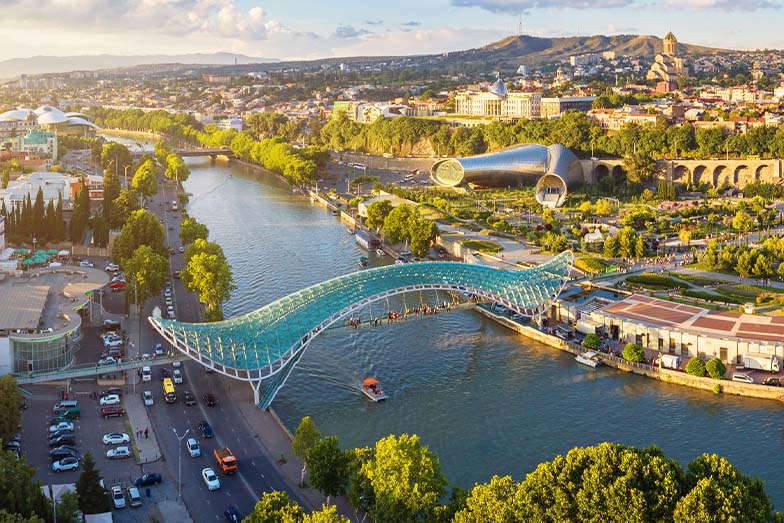
What you would see
Old Town & sulphur baths
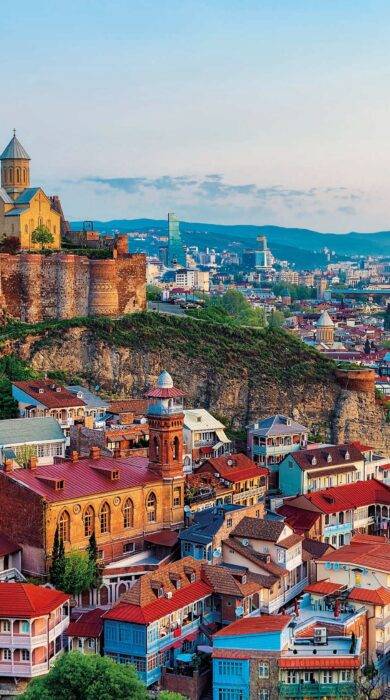
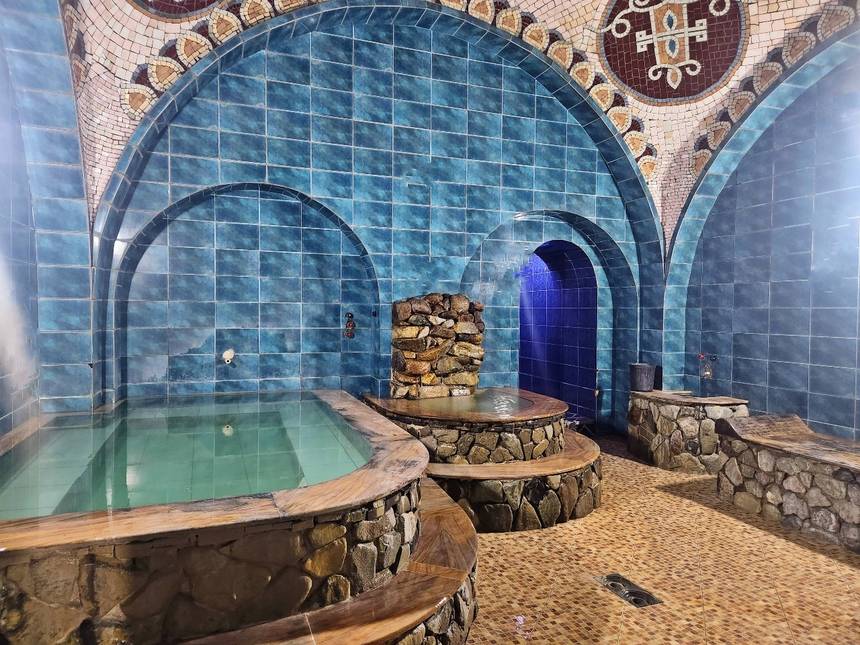
Tbilisi was founded here because of the water. The sulphur springs still run hot under the brick domes of Abanotubani, and you can book a private room with a marble pool for the price of a coffee in Europe. Above them, the Old Town is a tangle of carved wooden balconies leaning over lanes too narrow for cars.
Narikala Fortress & cable car
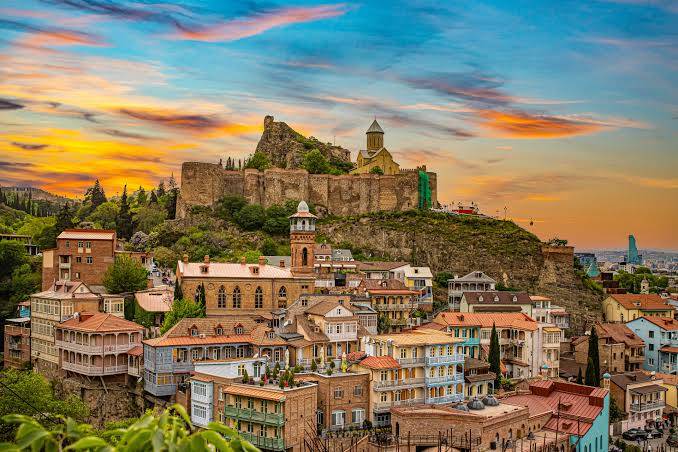
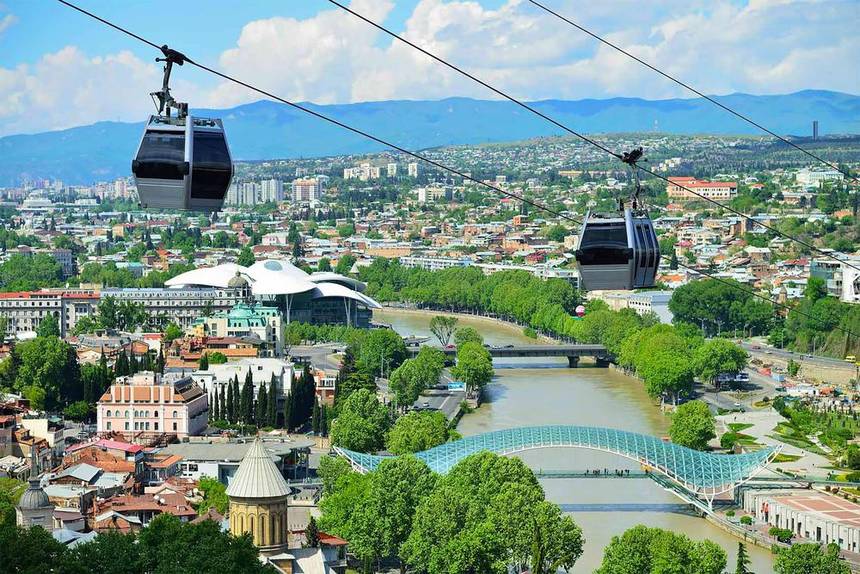
A fourth-century fortress on the ridge above the old city, reached by a cable car that costs about a dollar and climbs in three minutes. The walls are ruins you can walk on; the reason to come is the view down over the rooftops, the river and the bathhouse domes.
Rustaveli Avenue
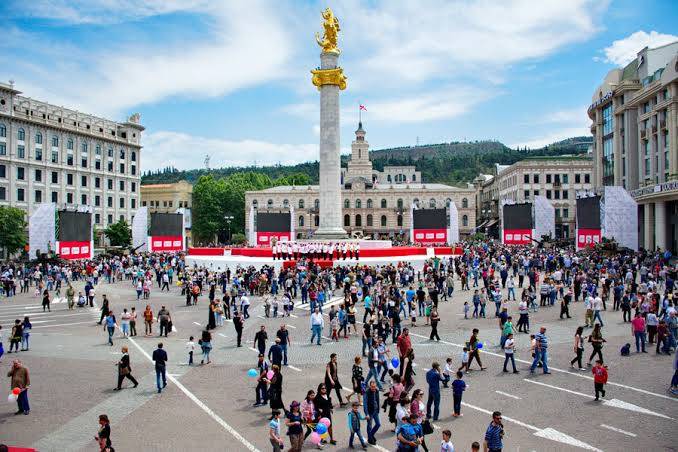
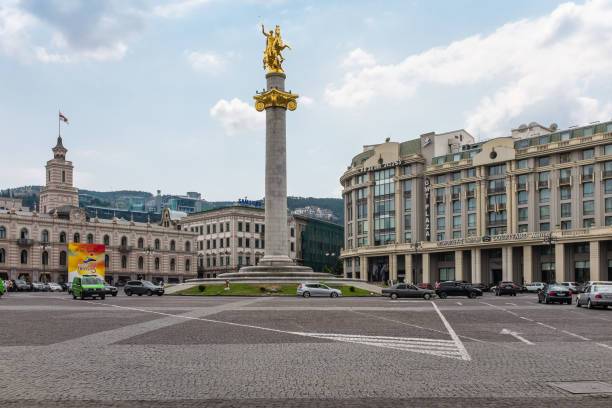
The city's main avenue and the square at its head, where the golden St George stands on his column. Parliament, the opera, the national museum and the good bookshops are all on this one street. It is where Tbilisi does its celebrating and its protesting.
Chronicle of Georgia
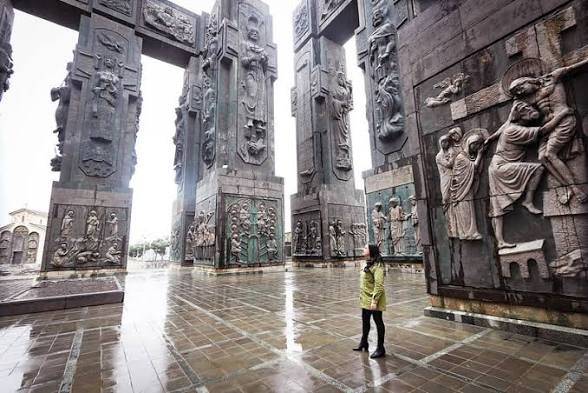
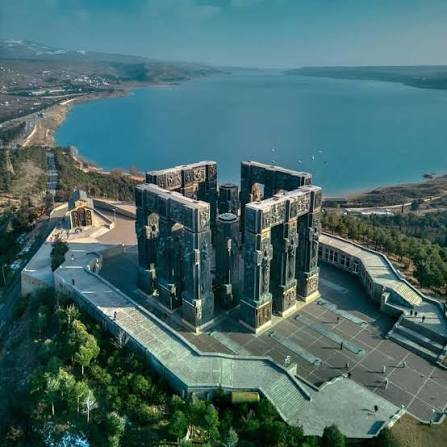
Sixteen bronze pillars, each sixteen storeys high, carved with the whole history of Georgia on one side and the life of Christ on the other. It was never finished and almost nobody is ever there, which is exactly why it is extraordinary — you stand alone among columns the size of buildings.