Tbilisi or Batumi? An honest comparison
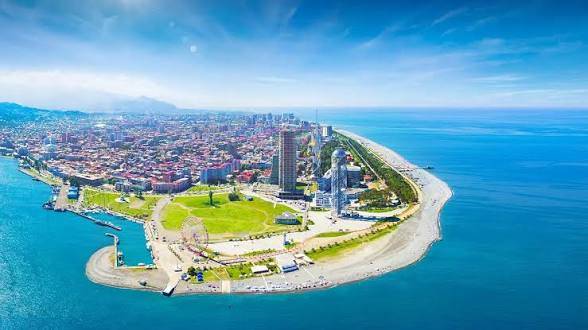
Two different markets. Batumi is seasonal, foreign-driven and yield-led; Tbilisi is year-round and steadier. Which suits which buyer.
They are not the same market
Underneath that similarity sit two markets that behave nothing alike, and the difference is visible in who is buying. In Tbilisi, Georgians make up around 90% of purchases, with Israelis about 4% and Russians about 2%. In Batumi, Georgians are about 50%, Russians 16% and Ukrainians 9%.
That single statistic tells you most of what you need to know. Tbilisi is a domestic housing market with foreign participation. Batumi is an international investment market attached to a Georgian city.
The case for Batumi
Volume and liquidity. Galt & Taggart recorded a record 17,478 apartment transactions in Batumi in 2025, with foreign buyers at about 52% of them and over $1 billion in total value. A market that active is a market you can sell back into.
Appreciation. Agents in the city report 8–10% annual growth, and Colliers expects no price decrease through 2026 — new supply is arriving but bank financing of new projects has tightened, which they read as the two effects cancelling out.
The honest downside. Batumi is seasonal. A yield quoted on July occupancy is not an annual yield. Winter in Batumi is quiet, wet and, for a short-let owner, close to empty. Any projection that does not show you the low months is not a projection.
The case for Tbilisi
A real economy underneath it. Tbilisi's prices are supported by Georgians buying homes to live in, not by foreign sentiment toward a coastline. That makes the market slower to rise and considerably slower to fall.
Resale to locals. Because 90% of buyers are Georgian, you are not dependent on the next wave of foreign investors to exit.
The honest downside. Lower headline yields, and no sea. If your plan involves letting a two-bedroom for $180 a night in August, Tbilisi is not that market.
Which one, for which buyer
Buy in Tbilisi if you want year-round income; you value price stability over price growth; you may eventually live in Georgia yourself; or you are buying primarily to hold a registered asset above the residency threshold and want the safest possible version of that.
Buy in both if you are reaching the $150,000 residency threshold by combining two properties — the rules allow it, and splitting between a seasonal market and a year-round one is a more sensible portfolio than two units in the same building.
Common questions
Which city has better rental yields?
Batumi in season, comfortably. Across a full twelve months the gap narrows sharply because Batumi's winter occupancy is low. Compare annual figures, never peak-month figures.
Is Batumi oversupplied?
A lot of new stock is arriving. Colliers' view at the end of 2025 was that this is offset by banks financing fewer new projects, and they expected no price fall through 2026. That is a forecast, not a guarantee.
Which is better for a residence permit?
Neither city has any advantage in the rules. What matters is that the property is registered in your name and appraises at $150,000 or more — so the deciding factor is the individual building's handover date, not the city.
Figures checked September 2026 against Colliers Georgia, Galt & Taggart, TBC Capital and Georgian government sources. Rules change; confirm anything you are about to act on.