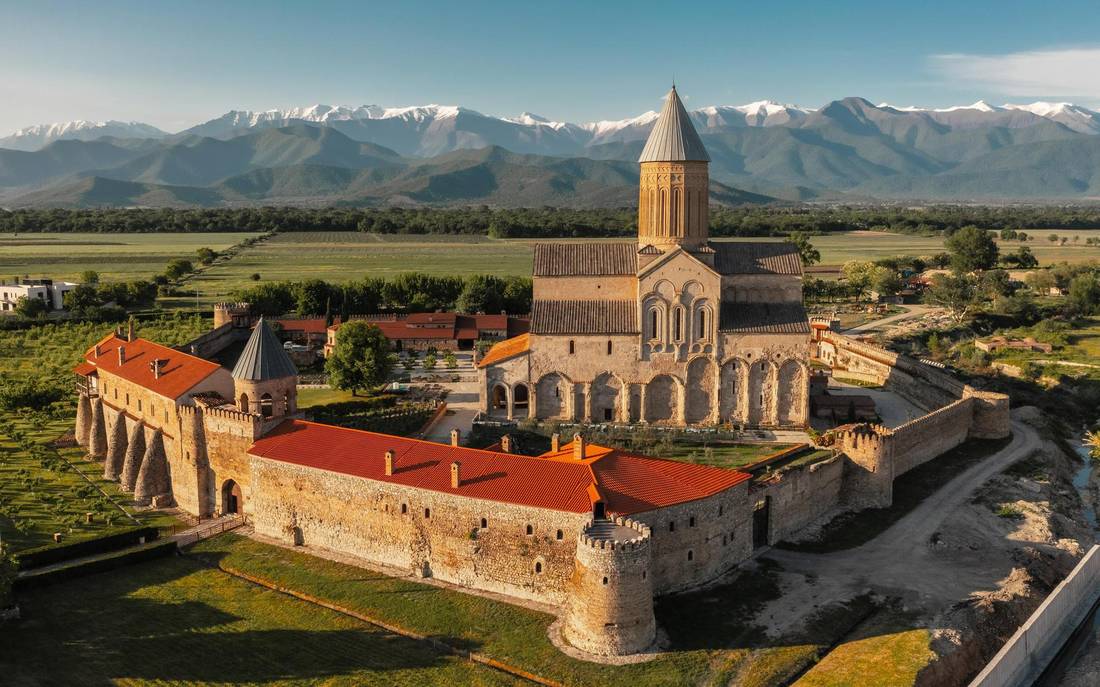
What Kakheti's harvest actually pays per kilo, and why that shapes your wine tour
By mid-September, nearly 12,400 tonnes of grapes had been processed across Kakheti this harvest, including about 6,800 tonnes of Saperavi and 1,700 of Rkatsiteli, with nearly 400 wineries registered with the harvest coordination headquarters and a forecast of roughly 320,000 tonnes for the year. The purchase prices are set by sugar content: 1.50 lari a kilo for undamaged Saperavi at 21% sugar or above, down to 0.30 for badly damaged or low-sugar fruit.
The price list, in full
Undamaged Saperavi with at least 21% sugar is bought at 1.50 lari a kilogram. Saperavi between 17% and 21% sugar, or partially damaged, is 0.90. Saperavi under 17% sugar, or significantly damaged, is 0.30. For other permitted varieties the ladder is 1.30 at 20% sugar or more and undamaged, 0.80 between 17% and 20%, and 0.30 below 17%. The government guaranteed the sale of this year's harvest, with the state-owned Harvest Management Company buying from growers.
Why a visitor should care about a kilo price
Because it tells you what the wine in your glass cost before anyone added a label. A 1.50 lari kilo of Saperavi is a serious grape price for a country where a bottle in a village cellar sells for a few lari, and it sets a floor under what small producers can afford to do. It also explains the pitch you will hear in tasting rooms: the sugar-content ladder rewards ripeness and penalises damage, so producers who harvested late and clean will tell you so, and they will be telling you something real rather than marketing.
Scale, and what it means for booking
Nearly 400 wineries were registered with the harvest coordination headquarters, which is the number that matters if you are planning a trip: this is not a handful of estates but a dense industry across a single region, and the small producers are not all set up for walk-in visitors. The forecast of around 320,000 tonnes for the year puts the mid-September figure of 12,400 tonnes in perspective as an early reading rather than a season total. If you are travelling for the harvest itself, that timing matters, because the work moves village by village as fruit ripens rather than happening on a fixed date.
If you host guests, this is a selling season
Guesthouses and private-experience hosts in and around Kakheti have one genuinely differentiated product, and it is the harvest. The practical advice is to be specific in your listing: name the villages you can reach, say whether the producer you work with is licensed to receive visitors, and be honest about what a guest will actually do rather than promising grape-stomping that may be finished by the time they arrive. Guests who have read the same numbers you have will ask what variety and what sugar level, and an answer beats a photograph.
Written by us from the source linked above, not investment, legal or tax advice. Figures and rules change — confirm anything that matters before acting on it.