2026-10-14 · Investment & ROI
A record wave of completions is forecast for this year — and Batumi's yield forecast is the warning inside it
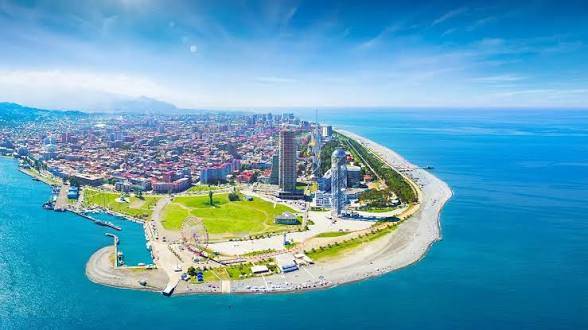
Galt & Taggart's spring forecast put 2026 completions at about 35,000 units in Tbilisi and up to 18,000 in Batumi, against 16,000–21,000 a year in Tbilisi over 2020–2025. The same forecast sees Batumi gross apartment yields falling to 3.4–5.1%, from 10% in 2023 and 7.4% in 2025. Construction costs were expected to rise about 8% this year.
The size of the wave
The forecast published in late April sets 2026 as the peak year for handovers in both cities. Tbilisi is put at roughly 35,000 completed units, against a range of 16,000 to 21,000 a year between 2020 and 2025. Batumi is put at up to 18,000, having climbed from about 2,000 units in 2020 to 13,000 in 2025. The same projection then tapers: Tbilisi around 27,000 in 2027 and about 25,000 a year in 2028–2029, Batumi about 14,000 in 2027 and about 12,000 a year after that. If those numbers land anywhere close, this year and next are when the 2022–2023 building boom arrives in the hands of actual owners.
What that does to a Batumi yield
The yield path in the same forecast is the part an investor should sit with. Gross apartment yields in Batumi are given as 10% in 2023, 7.4% in 2025, and projected at 3.4–5.1%. Net yields are described as typically 3–4%, and as potentially approaching 1.5–2% or lower if the apartment stock doubles. Those are forecasts, not outcomes, and a forecast made in April has had six months to be wrong in either direction. But the mechanism behind it is not controversial: when thousands of similar one-bedroom units reach the rental market in the same twelve months, the thing that gives first is the rent, not the asking price.
Permits, costs and what has already slowed
Residential permits reached a record 12 million square metres in 2024 and eased to 11.4 million in 2025, with Tbilisi at 6.8 then 6.4 million and Adjara rising from 1.6 to 1.9 million; residential accounts for 77% of all permitted area. The same forecast expected construction costs to rise about 8% this year and wages about 9%. Put together, the picture is a developer squeeze rather than a buyer bonanza: costs going up while the competitive pressure of a record delivery year goes up with them. Separately, GeoStat has reported construction as the sector that shrank in August, with the decline concentrated in civil engineering rather than housing.
How to use a forecast like this
A projection from a bank's research arm is a view, not a measurement, and it should be read against what you can check yourself. If you are buying to rent in Batumi, the honest test is to look at what comparable finished units in the same building are actually being let for today, and then ask what happens to that figure if the building next door hands over 300 more of them next spring. If you are selling, the wave argues for going earlier rather than later. If you are holding, it argues for fixing a tenant on a longer term now rather than chasing a peak rent that the supply calendar is working against.
Source: International Investment — Construction in Georgia: record housing completions expected in 2026, Galt & Taggart forecast · Also see: Galt & Taggart — Tbilisi Residential Real Estate report (PDF)
#supply #yields #Batumi #Galt & Taggart
Written by us from the source linked above, not investment, legal or tax advice. Figures and rules change — confirm anything that matters before acting on it.
Ask us about this
Every post here is general. Send the city, the budget or the dates and we will answer for your case.
WhatsApp NewsRead next